- Effect of different drying temperature on quality characteristics of bee tea pollen
- Study on consumer behavior towards bee products and the ways of eating honey in Taiwan
- Study on influence of climate changing on the pollinator behavioral impacts, and with the crop production countermeasures
- Non-exclusive license of high productive honeybees
- Study of Honeybee and Bumblebee Pollination for Screen-house Tomatoes
 Home > Recent Research > Sericulture and Apiculture Division > Apiculture > Study on influence of climate changing on the pollinator behavioral impacts, and with the crop production countermeasures Home > Recent Research > Sericulture and Apiculture Division > Apiculture > Study on influence of climate changing on the pollinator behavioral impacts, and with the crop production countermeasures
|
Study on influence of climate changing on the pollinator behavioral impacts, and with the crop production countermeasures
Date:2014-08-01
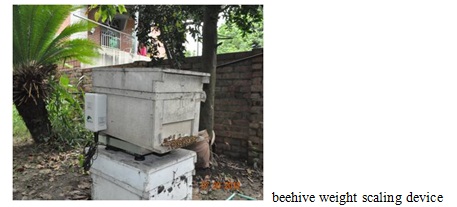
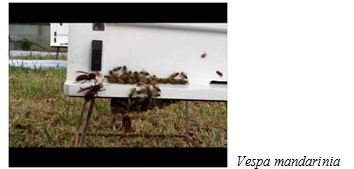
The automated climate measuring stations with beehive weight measuring device were recorded. The specific climatic and environmental changes, such as typhoons and nectar flow were recorded accompanied with beehive in weight increase or decrease, to assist the beekeepers judgment on the regulation of different management strategies. The main benefit is to assist the beekeepers to predict the honey flow period, to avoid losses caused by extreme weather, and reduce transportation costs in beekeeping. Several wasp species were recorded in low-altitude areas, Vespa mandarinia is the most serious pest for honeybee, and it could kill the beehives within a several days. The most effective device to prevent the hornet was the capture net device. Both honeybee and bumblebee pollinated tomato flowers in the greenhouses. The successful pollination rate was about 78% for bumblebee pollination. The seed number of tomato treated by bumblebee pollination was higher than those of honeybee pollination. The honeybee strain of honey production in MDARES was between 1.71-2.43 kg/day, with estimated 3-5% of honey productivity than local honeybee strains.